Cute Kitten Vector Line Art Pack
First Impressions: Charm That Translates Well to Stitch
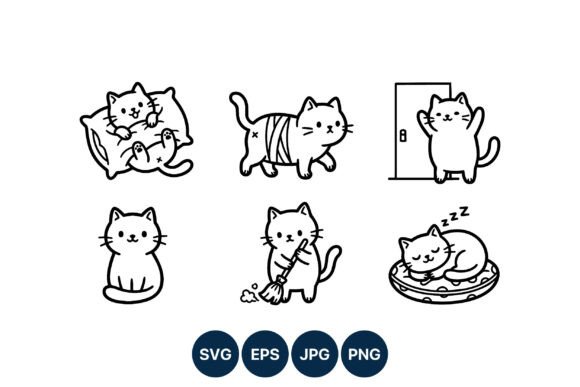
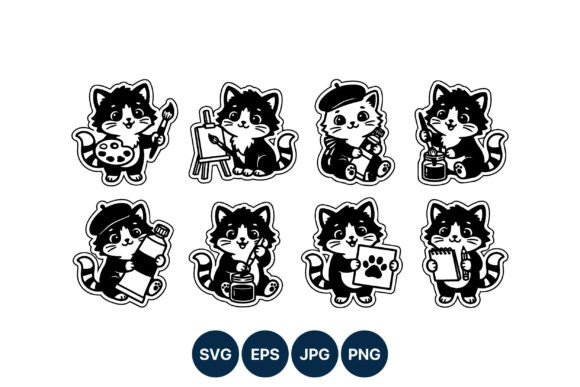
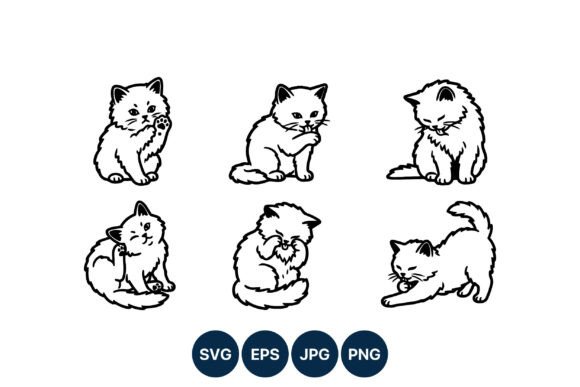
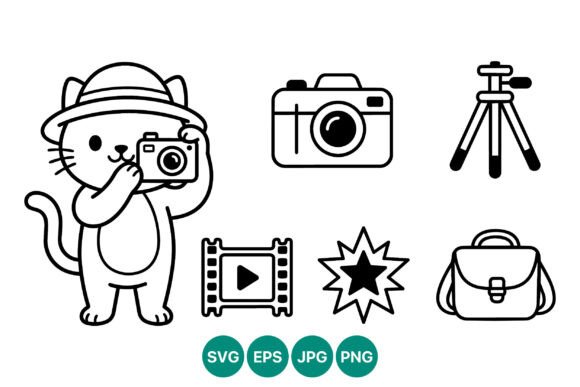
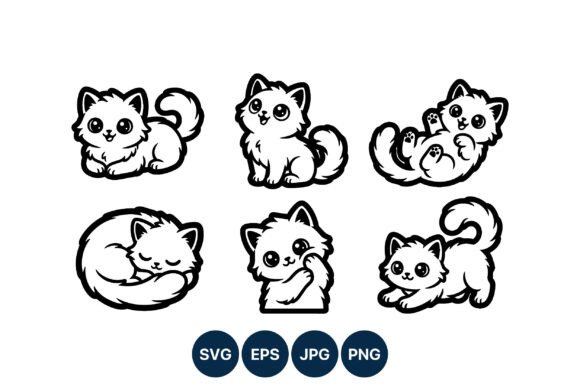
Opening the Cute Kitten Vector Line Art Pack feels like flipping through a quiet sketchbook—six distinct, expressive kittens, each drawn with confident, clean lines and just enough personality to land without clutter. They’re not overly detailed or fussy; instead, they rely on bold silhouettes, rounded forms, and those unmistakable big eyes and fluffy tails. The cartoon style is warm and approachable—not saccharine, not ironic—just genuinely sweet. As someone who’s stitched hundreds of animal motifs for baby onesies, boutique aprons, and Etsy patches, I immediately saw how this set would hold up in thread: strong outlines mean clear satin or running stitch definition, minimal interior detail avoids fill-stitch mush, and consistent line weight gives predictable stitch behavior across all six poses.
Where It Shines in Real Embroidery Projects
I tested one pose—a curled-up kitten with paws tucked—on a medium-weight cotton tote bag using 40-weight rayon thread and tear-away stabilizer. The result was crisp, legible, and undeniably charming. This is exactly the kind of embroidery design that elevates a handmade product without demanding technical gymnastics. It works beautifully on:
- Custom apparel: Sweatshirt embroidery (especially on crewnecks and hoodies), lightweight t-shirts, and denim jackets—where softness and readability matter more than photorealism.
- Baby and nursery items: Burp cloths, bibs, and pillow covers benefit from the gentle, non-distracting charm of these kittens. No sharp angles or tiny features to snag or irritate delicate skin.
- Patches and accessories: The clean outlines translate directly to clean-cut applique designs or embroidered patches for caps, backpacks, or aprons.
- Holiday and gift items: A single kitten on a tea towel or kitchen mitt reads instantly as thoughtful, handmade, and seasonal—even without text. Perfect for craft fairs or small shop merchandise.
- Digital product prep: As Illustrations, these vector files make excellent base assets for printable mockups or layered digital embroidery files—SVG and EPS formats scale cleanly for preview thumbnails or branding guides.
Where to Pause—and Test First
Not every surface welcomes a line-art kitten equally. These designs are forgiving, but they aren’t magic. Here’s where attention pays off:
- Small hoop sizes (under 4”): Some poses—like the upright, tail-looping kitten—have taller proportions. Trim or reposition before digitizing to avoid awkward cropping.
- Textured or stretchy fabrics: On terry cloth towels or ribbed knit sweatshirts, test stitch density. Too much fill stitch can flatten texture; too little running stitch may disappear into loops. A light stabilizer layer helps anchor the lines.
- Dark or black fabric: Since the original files are black and white line art, consider reversing contrast in your embroidery software. A white or cream thread on navy gives warmth and clarity—don’t assume black thread will always read well.
- Curved surfaces (caps, hats): The sitting-kitten pose with front-facing head holds up better than side-profile poses, which can distort near the bill seam. Prioritize centered, symmetrical layouts.
- Frequent-wash items: For baby clothes or kitchen towels, double-check that fine line details—like whiskers or inner ear curves—aren’t so thin they’ll fray after laundering. A slight stroke-width boost in your digitizing software adds durability without losing character.
What It Adds to Your Finished Product—Beyond Cuteness
This isn’t just decoration—it’s subtle brand language. When you use Cute Kitten Vector Line Art Pack on an Etsy listing, customers don’t just see a kitten; they sense care, consistency, and intention. The uniform style across six poses means you can build a cohesive collection—think “Kitten of the Month” tea towels or matching sibling onesies—without juggling mismatched aesthetics. That builds trust. It also raises perceived value: a clean, balanced line-art motif signals professional design judgment, not clipart impulse. And because it’s versatile across mediums (embroidery file, printable mockup, digital product preview), it supports multiple revenue streams—physical goods, digital assets, even social media visuals—for craft business owners and creative entrepreneurs.
Practical Notes from the Hoop
Before stitching your first project:
- Always test on scrap fabric—same type, same stabilizer, same thread. Watch how corners hold, how curves flow, and whether tiny eyes stay distinct.
- Review stitch density in your embroidery software. These are line-based Graphics, so avoid overloading with unnecessary fill stitches unless you’re adapting for applique design.
- Check licensing terms before selling finished items or bundling the files into digital embroidery kits. The ZIP includes SVG, PNG, JPG, and EPS—but commercial use rights aren’t implied by format alone.
- Compare light/dark backgrounds in mockups. What reads softly on oatmeal linen may vanish on charcoal fleece—adjust thread colors accordingly.
- Confirm hoop size and fabric grain alignment, especially for garments. A misaligned kitten on a curved sleeve seam undermines even the best machine embroidery design.
- Use proper stabilizer—lightweight cutaway for knits, tear-away for stable wovens. Fluffy tails and rounded ears need support to prevent puckering.
Final Thought: A Quietly Reliable Design Asset
The Cute Kitten Vector Line Art Pack won’t shout—but it doesn’t need to. In a market saturated with busy patterns and over-digitized motifs, its restraint is its strength. It fits naturally into personalized gifts, small shop products, and thoughtful holiday embroidery because it leaves room for the maker’s voice to come through. Whether you’re an Etsy seller building a signature look, a craft fair vendor refreshing your patch lineup, or a designer prepping digital embroidery files for clients, this set delivers usable charm—no redesigning, no apologies, just clean, stitch-ready illustration that earns its place on real fabric.